Social Suffering is an collection of individual problems that social force can inflict on human experience. Social suffering results from what power does to the society and how power influences different responses to social problems. Conditions that are may involve the health, welfare, legal, moral, and religious issues are conditions included under the category of social suffering. It points to the close linkage of personal problems with societal problems
The lack of socio-economic opportunities.
The government’s inability to address social problems.
Close familial ties prevalent in Filipino culture.
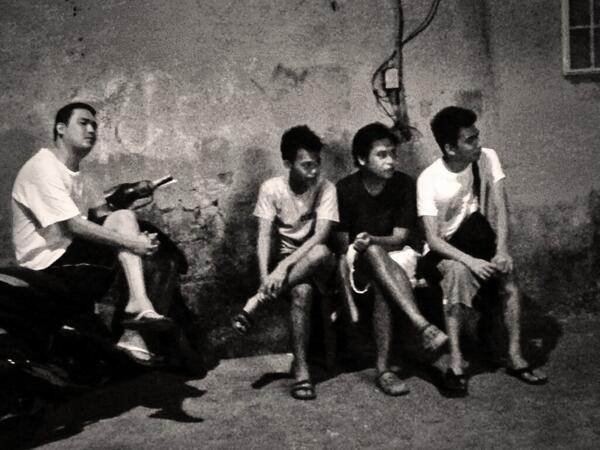
With the country not being able to provide enough jobs to its people, a lot have resulted to not getting jobs and choosing to stay at home and not get a job. This phenomenon is a result of the country’s inability to provide enough jobs for the society and its people. Istambay as problematique that unravels the social forces that generate and sustain the youth’s inactivity.
Research findings reveal the istambay phenomenon is a manifestation of the interrelated problems in the educational system and labour market of the Philippines. The youth’s inactivity is found to be mitigated by the culture of care provided by the Filipino family. The istambays are also found to express disconnestion from the state because of the government’s inability to provide employment. Youth inactivity, highlights complex forms of inequalities in the Philippines marginalize the istambays from gaining legitimate active status in Philippine society
The stereotypical image of the istambay, aside from being gendered, appears to be perceived more as an individual problem than a social issue. Filipino youth istambay seem to share the experiences of fellow inactive youth worldwide which have been given many names, such as ―NEET‖ – ―Not in Employment, Education and Training‖ (Bynner & Parsons, 2002; Coles et al., 2002), ―status zero‖ (Williamson, 1997), ―idle youth‖ (Edelman, Holzer, & Offner, 2006; Ericta, 2003), the ―economically inactive‖ (Franzén & Kassman, 2005; International Labour Organization, 2006), the ―hikikomori‖ (Furlong, 2008) in Japan.
The Istambay Phenomenon can be considered a because the individual problems of the Filipinos of not being qualified for a job, affects the society as a whole and a number of them can affect society.
 Albularyos Blog